Everyday Home Projects

Before the lights go out.

The flashlight is somewhere.
But what happens after that?

Take a closer look
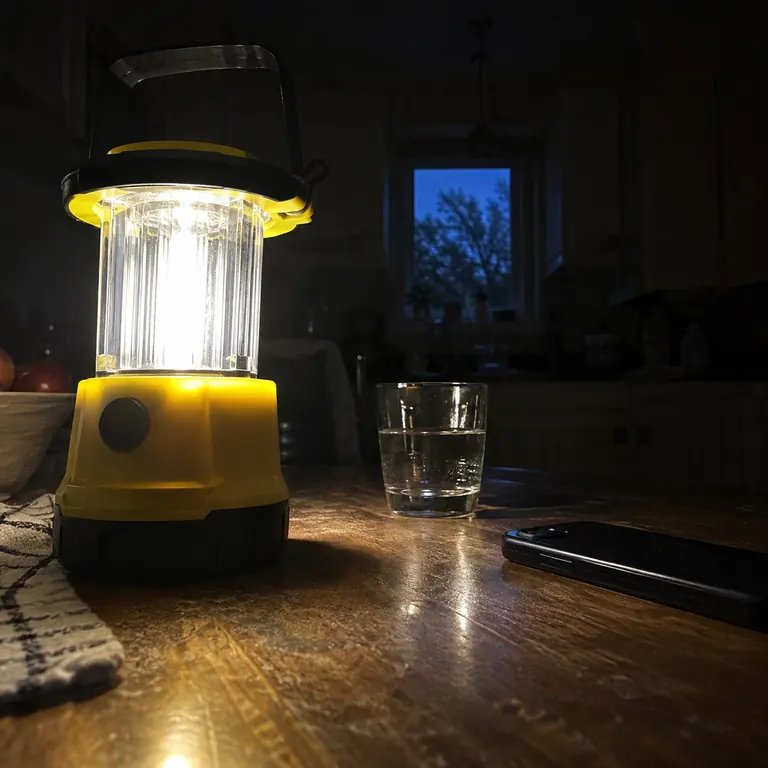
A battery lantern lighting an ordinary kitchen during an illustrative outageA familiar home.
An unexpected interruption.
Watch the presentation

External promotional presentation. A purchase may be offered.

We may earn a commission if you purchase through a link on this page.

It starts with
an ordinary evening.

A kitchen you know.
A routine you rarely think about.
Until something interrupts it.

Then the kitchen goes dark.

Picture dinner half finished. A phone charging on the counter. Then, suddenly, the power goes out.

For a moment, everyone waits. It will probably come straight back.

Someone reaches for a phone. Someone else starts looking for the flashlight. And the questions begin: where are the spare batteries? What can we make for dinner? How long is this going to last?

“It's around here somewhere.”

The flashlight was a sensible purchase. So were the batteries. But buying something and finding it when you need it are two different moments.

Maybe the supplies are spread across a drawer, a cupboard, and the car. Maybe one person knows where everything is. The rest of the household has never needed to ask.

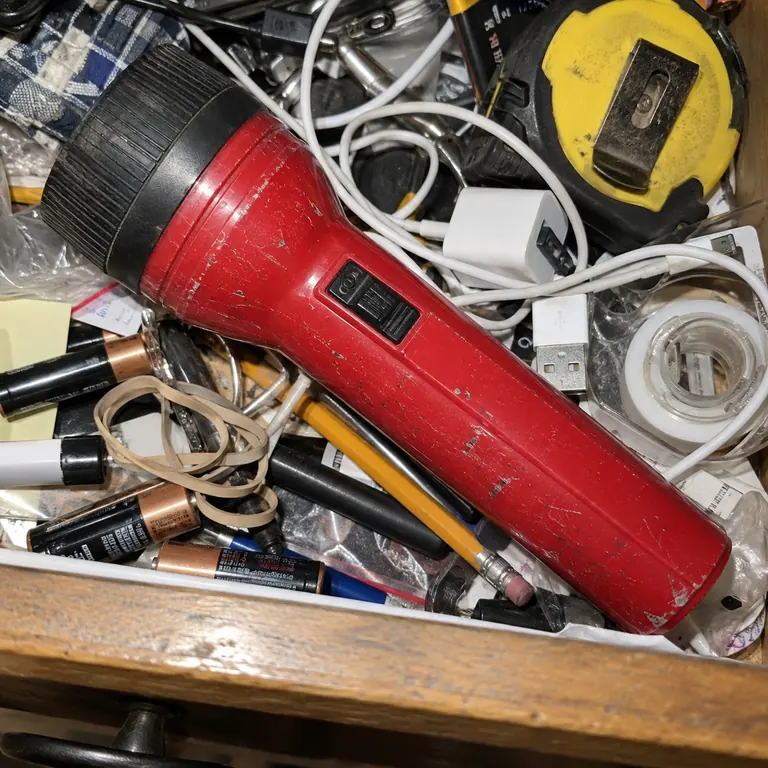
A red flashlight partly buried in a drawer of cables and batteries
Having it somewhere is a start.

The list gets longer.
The starting point gets lost.

Look into preparedness and there is always something else to consider. Water. Food. Backup power. Somewhere to keep it all.

It can begin to feel like a project for a bigger house, a bigger budget, or a weekend that never arrives.

Bringing it back to one familiar situation makes the questions more concrete. If the electricity stayed off tonight, what would your household need to figure out first?

A few questions
worth asking now.

  • Could everyone find the essentials?
  • What would change if an interruption lasted longer than expected?
  • Which preparations fit the space and budget you have?

You don't have to answer everything at once. But these are easier conversations to have while the lights are still on.

Watch the presentation

External promotional presentation. A purchase may be offered.

Start with the home
you actually live in.

If you've been meaning to think this through, the presentation is a place to explore the subject further.

It covers household preparedness, including food and water supplies, fallback planning, and staying calm under pressure.

Watch with your own circumstances in mind. Consider what is useful, what needs more research, and what fits your household.

From preparedness
discussions.

Eight voices from a public conversation about getting started. These are audience comments, not product reviews or endorsements.

“I’d like to start doing something realistic, even if it’s small.”
u/tymye_Original post in r/prepping
“Start slow. When in doubt, make a list and figure out what you're prepping for.”
u/ArcaneLuxianDiscussion comment in r/prepping
“Start small by adding to your pantry.”
u/One_Dragonfruit_7556Discussion comment in r/prepping
“A community is stronger together.”
u/ssff134Discussion comment in r/prepping
“Think about what you’ll need for an immediate emergency, like a prolonged power outage.”
u/Unique-Sock3366Discussion comment in r/prepping
“I would add to this, buy canned goods you’ll eat.”
u/EbolaPrepDiscussion comment in r/prepping
“The big thing is to train and practice with the stuff you expect to use.”
u/DanjeerhausDiscussion comment in r/prepping
“Grab an extra can or three of food whenever you go to the grocery store.”
u/TheGreenAbyssDiscussion comment in r/prepping

Take a closer look.
Then decide.

The next interruption doesn't have to be the first time you've thought about what comes next.

Watch the presentation

External promotional presentation. A purchase may be offered.